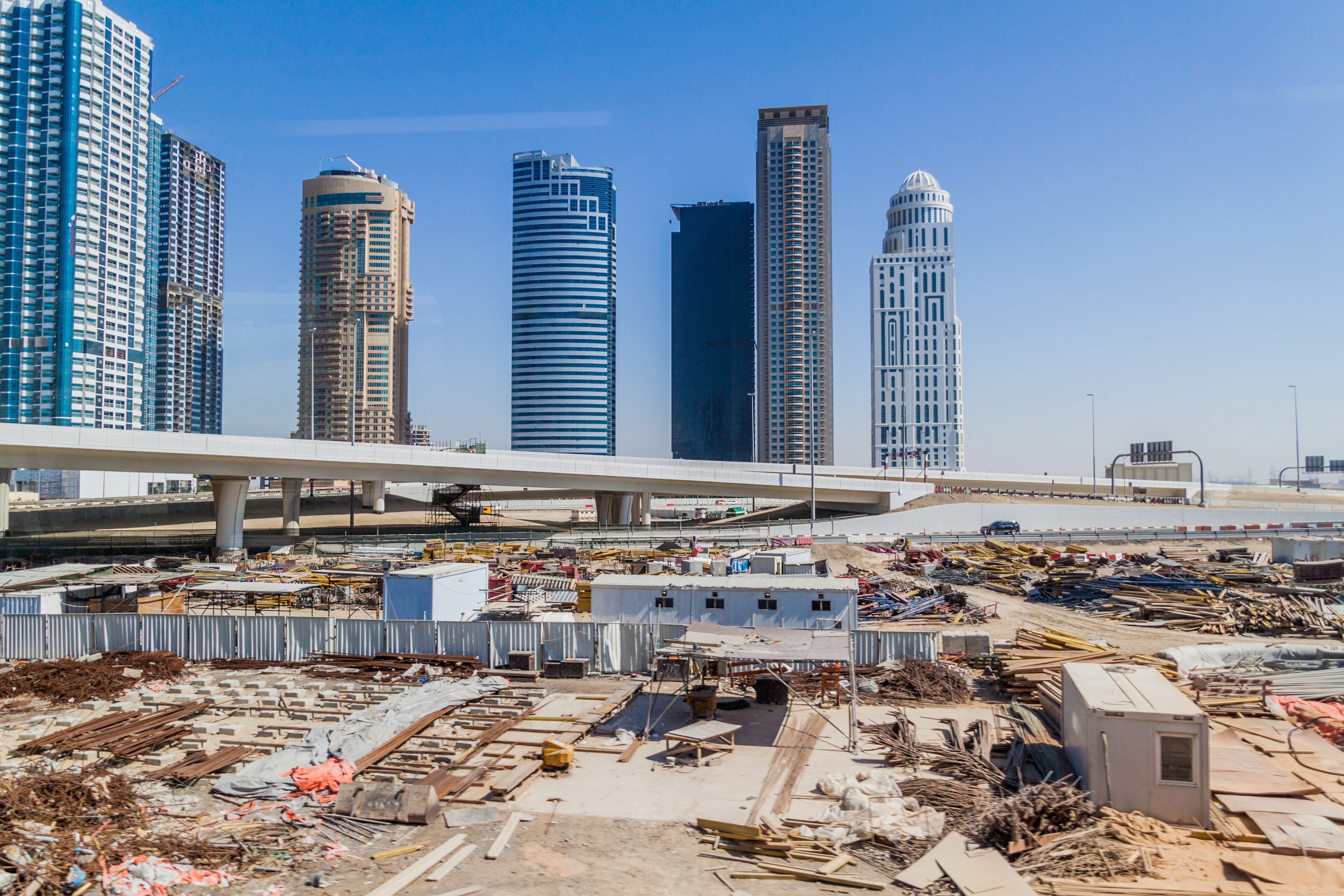
The objective of this webinar is to enhance understanding of seismic behavior in steel structures and the principles governing earthquake-resistant design. It will explain key design provisions from design guidelines, including IS 1893, IS 18168 etc. The purpose is to bridge the gap between theory and application by demonstrating practical design approaches, detailing considerations (ductility, connections), and performance-based strategies. It will also highlight best practices for improving resilience and safety in steel structures located in seismic zones. Finally, the aim is to provide actionable insights to help engineers and designers implement effective seismic design solutions. By bringing together industry experts and practitioners, the webinar will foster knowledge sharing and promote best practices for safer, more resilient structures. Through this webinar, our goal is to strengthen industry engagement in seismic design practices and indirectly influence the adoption of more seismic specifications for our products. By fostering dialogue on design guidelines and best practices, we aim to position our solutions as aligned with the evolving standards for earthquake resilience in India.
Date: 12-Feb-2026 (Thursday)
Time: 11:30 AM – 12:30 PM (IST)
Topic: Seismic design of steel structures: From Theory to Practice
Speaker: Dr Abhay Gupta (Director, Skeleton Consultants)
Moderator: Ms. Agamoni Das (Head- Codes & Approvals (fastening))
Steel structures form the backbone of modern infrastructure, and their safe, efficient design requires adherence to evolving national standards. This webinar focuses on the theme of seismic design and safety of steel structures, with insights from IS 18168 and IS 1893. The session will cover essential topics such design strategies, ductility detailing of steel buildings, and connections. The proposed topics will be covered in this session are as follows
Seismic Academy is hosting this exclusive webinar to strengthen knowledge on seismic design of steel structures. The discussion will integrate global best practices with local standards, offering a comprehensive perspective on strategies to ensure structures can withstand seismic events.
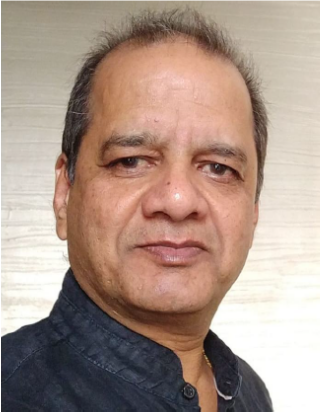
Director, Skeleton Consultants Pvt Ltd, Noida
Leave a Comment